
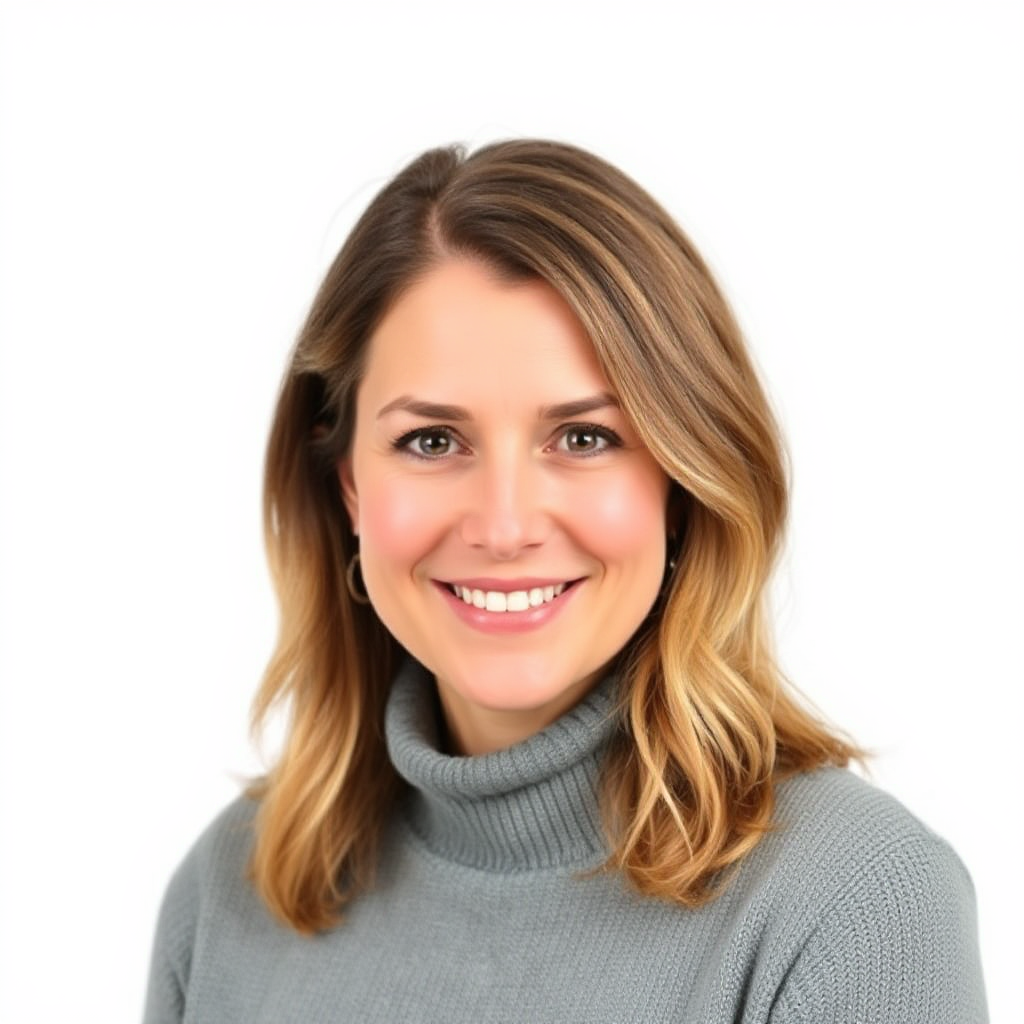
An unexpected discovery during a tube journey in 1988 altered the path of a teenage Ghanaian newcomer to Britain. Discovered for modeling, Edward Enninful was swiftly pulled into the London's buzzing 1990s creative scene, progressing from mannequin to stylist and, while still a teenager, becoming the fashion director of i-D magazine.
"It was the zenith of the Young British Artists – Tracey Emin, Jay Jopling. I met Kate Moss at a casting," he remembers. "Then I met Naomi for a cover, and I knew we’d be close. We all mixed across disciplines. Friday became Saturday into Sunday. I long for that spontaneity."
If Enninful sounds nostalgic, he is not the only one. Lately, a wistful romanticisation of the 1990s has grown intense. However in the intervening decades, Enninful perceives a profound shift. "In my view, we’re less tolerant now than we were in the 90s," he observes. "The issue extends beyond this country – it’s worldwide."
A Perceived Regression
This shift is hard to ignore: the resurgence of populist movements, the reaction against so-called "wokeness", and the reassertion of Eurocentric beauty standards. Where once there was the optimism of the Blair era, currently a different political force looms as a possible leader. Even, the British flag, once an symbol of Cool Britannia, has sparked debate once more.
According to Enninful, the solution has consistently been to celebrate culture in all its variety. This was the driving force behind his landmark issue as editor of British Vogue in 2017, which served as a celebration of modern Britain, including a diverse array of influential figures from literature.
"Those in a position of influence should employ it," he says, discussing those publishing choices. "There is much discussion about immigration; I would not be in this position if Britain was not a welcoming country, if it hadn't given my family a home and an education. That’s the Britain I believed in. I hope this phase will pass."
Hope in the Next Generation
He takes comfort in the next generation: "They are far more conscious than we were. They analyse systemic issues – I was not even aware what that was."
Those early experiences would define a trailblazing career marked by boldness and diversity. Enninful made history as the first man, first Black editor, first gay man, and first disabled Black gay man to lead at British Vogue. His leadership featured diverse covers showcasing models of colour, curvy models, older individuals, and people from varied communities. Significantly, sales increased.
"To overlook vast segments of the population, it’s not just that you’re failing to represent – it’s bad for business," he explains.
Launching a Creative Venture
He has since founded his creative company EE72 and its flagship publication, 72, his premier initiative since moving on from his previous role. He expresses a desire to continue being a "innovator".
"My nature is to challenge the established norms. I was brought up in a place where Black professionals were the norm – the physicians, the attorneys, the president. Then we came to England, without funds, and I became the 'other'. I was incredibly timid. My teachers predicted I’d have no future. Me and my brothers were stopped by the police the suspicion laws … all that gave me a dual identity on the inside and the outside."
In contrast to the stereotype of industry figures as brash and temperamental, Enninful is softly spoken and projects peace. His life has not been immune to challenges, including well-documented battles with mental health and substance use.
He has also faced serious health issues, having undergone several surgeries on his eyes, resulting in impaired eyesight. "I experienced such a dark place for two years, not working, terrified I was going to go blind. It’s like PTSD; you just live in fear 24/7. I thought, if this ever passes, I’m just going to embrace every opportunity that I was so afraid to do. I’m not going to confine myself to just being an editor or a figure in fashion."
The Tate Britain Exhibition
This refusal to be defined narrowly has led him beyond the realm that established him. He is now putting together a seminal 1990s exhibition at Tate Britain, showcasing work by a host of pivotal artists and photographers from the era. The show, he explains, aims to explore the decade's creative cross-pollination – and spotlight those who did not receive due recognition at the time.
"Galleries sometimes neglected to celebrate the truly innovative creators because they weren't of the traditional credentials," he observes.
The magazine 72 itself uses a unique business model, rejecting traditional advertising in favour of creative collaborations. "The question is, what can we create collaboratively? Is it an event, a series? The magazine is a piece within a broader vision."
Looking Forward Without Fear
Today, Enninful stands as one of the world's most influential cultural influencers. His path, he feels, is a demonstration to the power of pursuing your passions.
What would the Enninful of that era react to the man he has become? He laughs heartily. "He’d be in shock, but he’d be proud. In those days I was a rebel. I didn't think institutions like Tate were necessarily for me."
He adds. "I never take anything for granted. We were displaced, we left our homeland. I came close to losing my vision. So there is no room for fear. People have counted me out my whole career. But nothing can stop me once I’ve made up my mind to do something."


